HOST COUNTRY
Visit Uzbekistan
Uzbekistan is located in Central Asia, a region that also includes Kazakhstan, Kyrgyzstan, Tajikistan, and Turkmenistan.
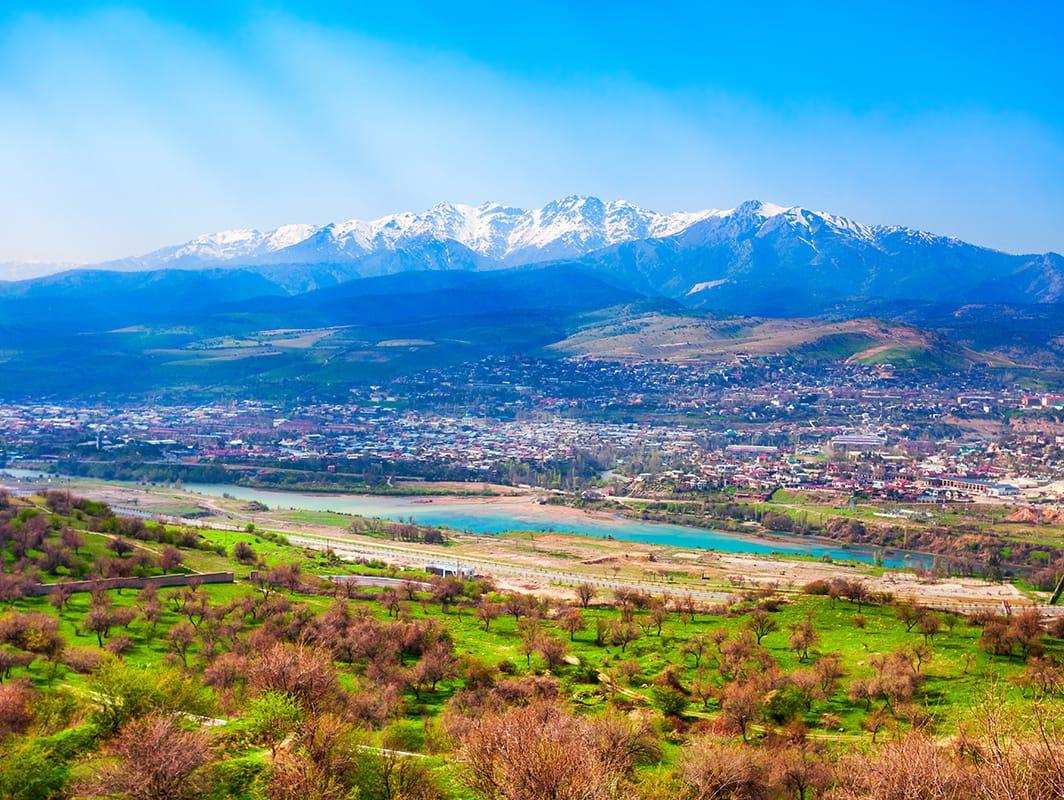
Uzbekistan is one of only two countries in the world that is double landlocked—neither it, nor any of its neighboring countries have direct access to an ocean or sea. The country features a diverse landscape, ranging from rolling sandy deserts to mountains along its borders with Tajikistan and Kyrgyzstan, as well as the remnants of the Aral Sea in the west.
Uzbekistan is renowned for its captivating architecture and ancient sites in cities such as Khiva, Samarkand, and Bukhara. These cities were once among the world’s busiest and most significant trading centers, situated at the heart of the Silk Road.
The country’s glittering, tiled madrasas, towering minarets, and sky-blue domes are considered some of the most beautiful and recognizable examples of Islamic architecture globally. Tashkent, the capital and largest city, serves as Uzbekistan’s political, economic, and cultural center.
Uzbekistan and the GEF: a 30-year Partnership
Since joining the GEF in 1995, Uzbekistan has benefited from a diverse portfolio of national and regional grants that have helped conserve unique landscapes, phase out ozone-depleting substances, establish the first bus rapid transit corridor to promote low-carbon transport systems, and build capacities to address environmental challenges, including the Central Asia Transboundary Biodiversity Project and the Aral Sea Basin programs, which foster cross-border ecosystem management and climate resilience. With support from the GEF, Uzbekistan is meeting its obligations under the conventions that it is party to and is participating in the Food Systems, Land Use and Restoration Impact Program and Ecosystem Restoration Integrated Program.
Overall, $98.8 million in GEF grants and $773.8 million in co-financing have supported Uzbekistan’s environmental agenda, laying a strong foundation for the country’s leadership role at the forthcoming Assembly.
Samarkand - Crossroads of Cultures
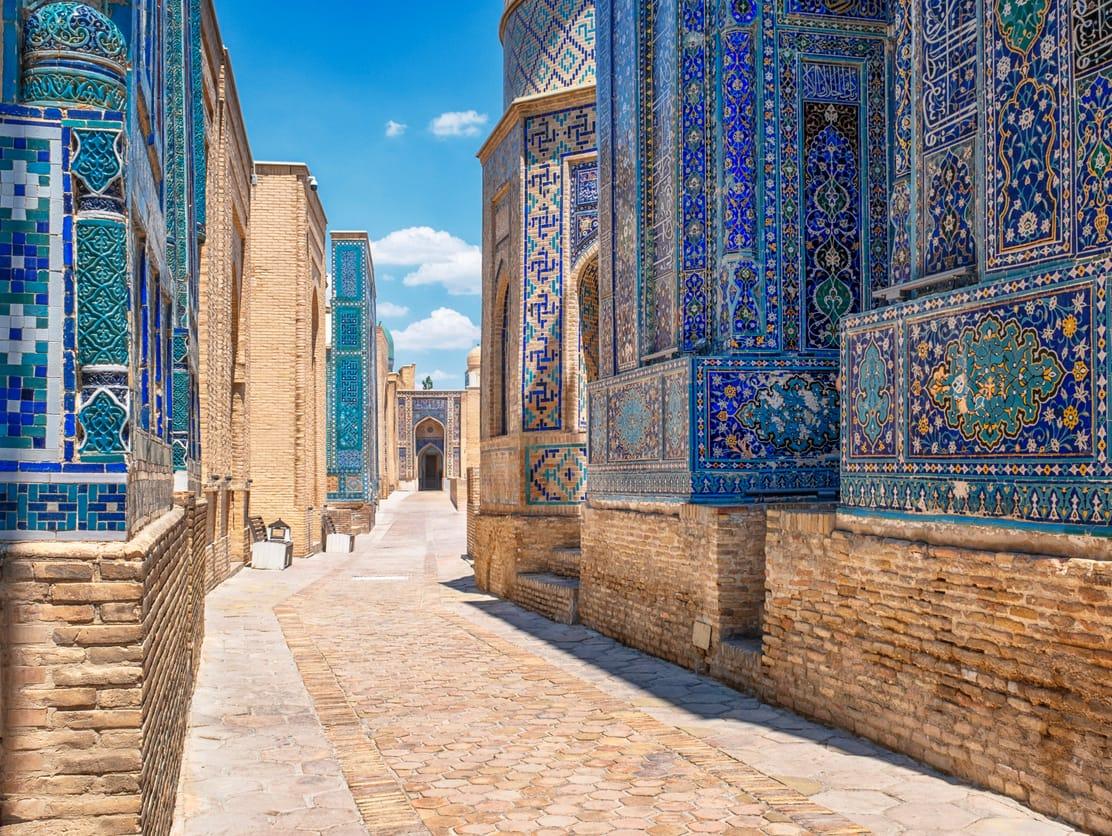
Samarkand, located in southeastern Uzbekistan, is one of the oldest continuously inhabited cities in Central Asia. Archaeological evidence indicates human activity in the area dating back to the late Paleolithic Era. While the exact date of Samarkand’s founding remains uncertain, several theories suggest it was established between the 8th and 7th centuries BCE. Benefiting from its strategic position along the Silk Road connecting China, Persia, and Europe, Samarkand flourished and was, at times, among the largest cities in Central Asia.
Today, modern Samarkand is divided into two distinct areas: the old city and the new city, which has developed over the past 150 years. The old city is home to historical monuments, traditional shops, and private residences, while the new city features administrative buildings, cultural centers, and educational institutions.
Nature, Landscapes, and Biodiversity
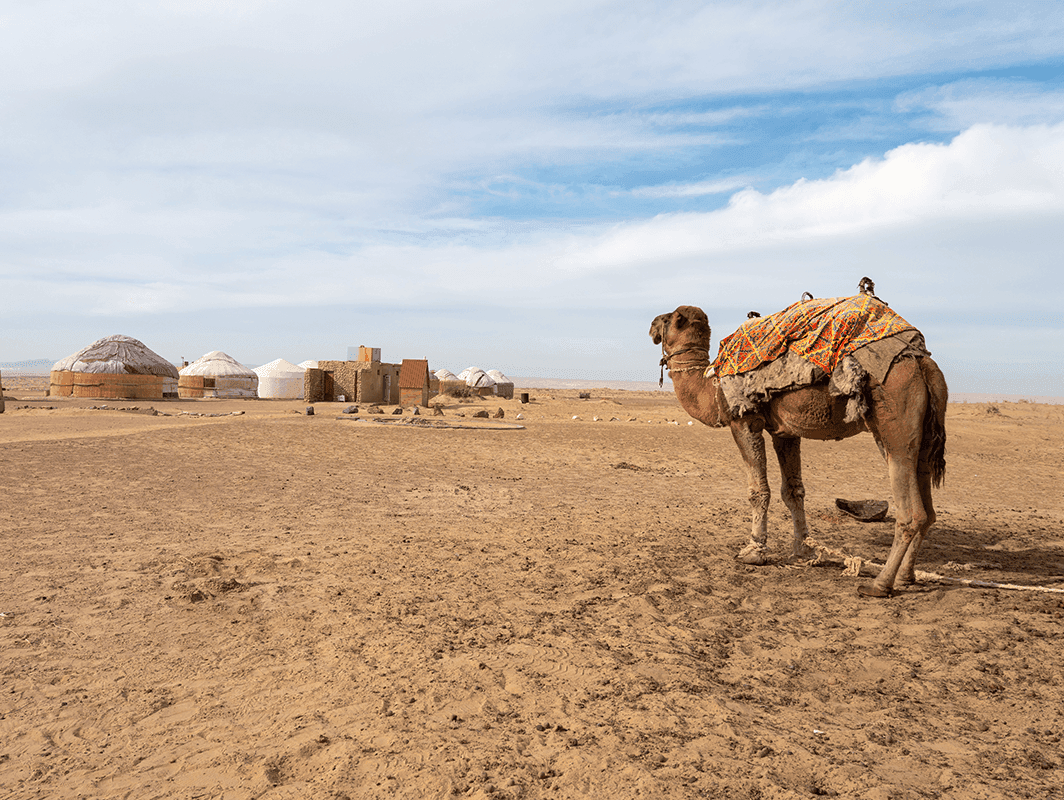
Uzbekistan’s natural environment is exceptionally diverse, featuring deserts, mountain ranges, steppes, wetlands, and river valleys. The expansive Kyzylkum Desert dominates much of the country’s central region, while the Tian Shan and Pamir-Alay Mountains define its eastern and southern borders, offering snow-capped peaks, alpine meadows, and unique ecosystems. The Amu Darya and Syr Darya rivers—once the primary sources for the Aral Sea—continue to serve as vital lifelines, nourishing oases and fertile plains that sustain agriculture and wildlife.
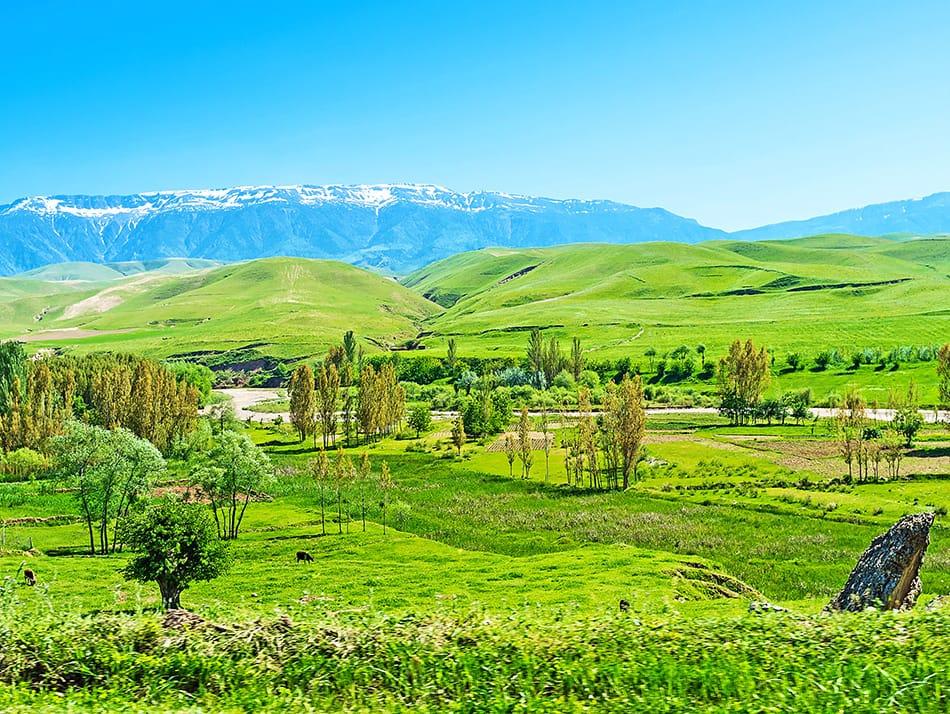
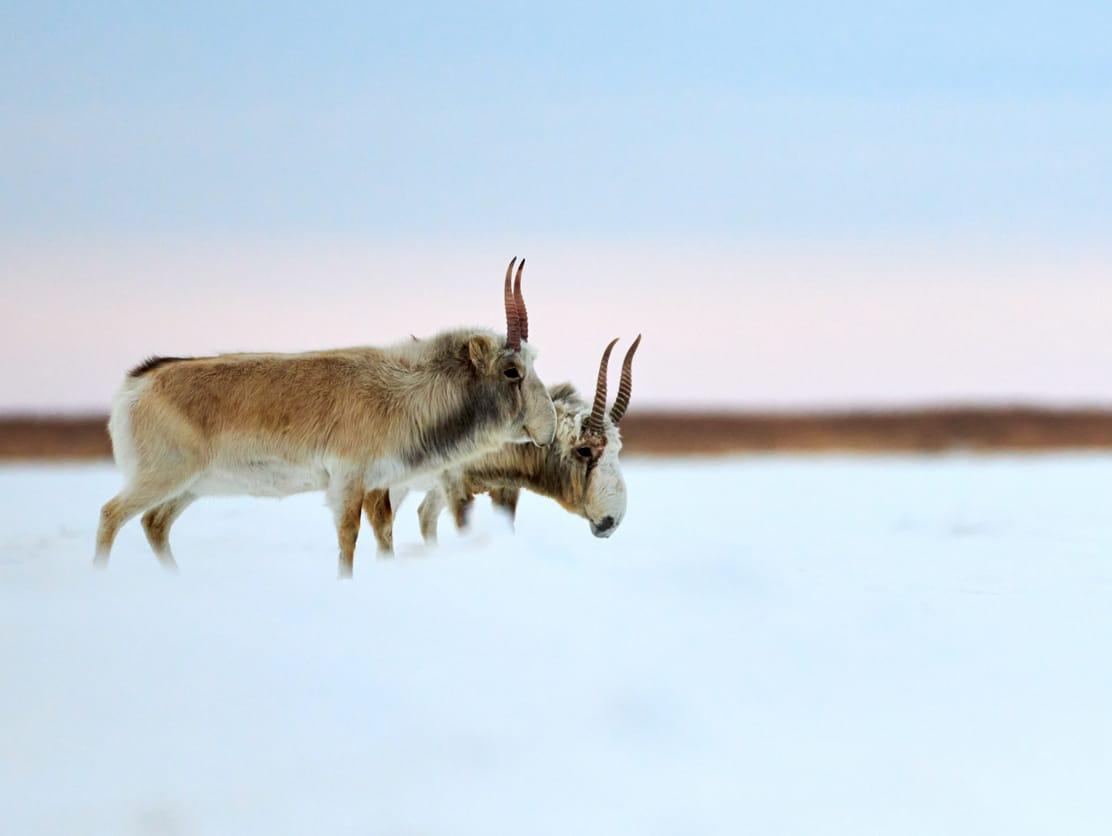
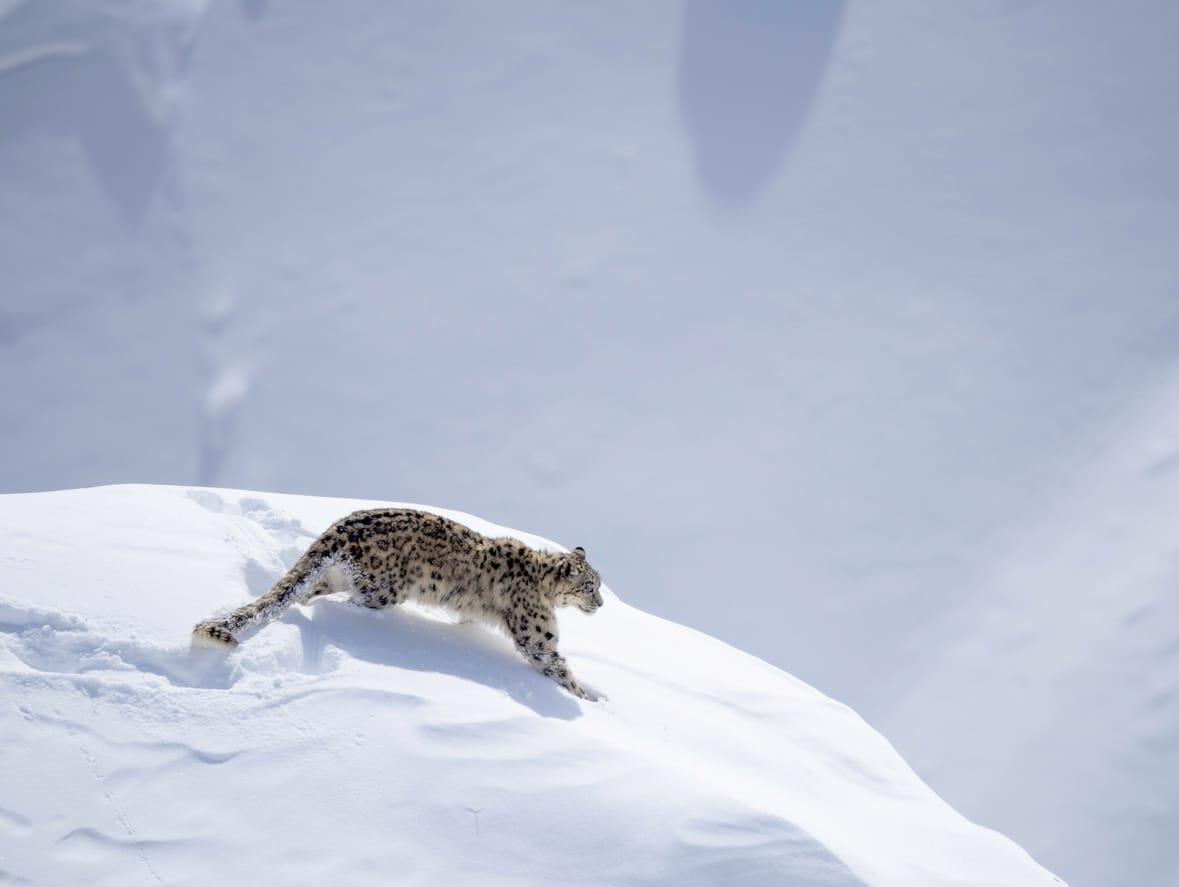
The country is home to more than 27,000 species of flora and fauna, including globally significant and endemic species such as the snow leopard, Bukhara deer, Saiga antelope, and Markhor. Uzbekistan’s wetlands, particularly those along the Amu Darya delta and the remnants of the Aral Sea basin, provide crucial habitats for migratory birds traveling along the Central Asian flyway. More than 30 protected areas—including national parks, biosphere reserves, and nature sanctuaries—help safeguard these landscapes and biodiversity hotspots.
Uzbekistan’s government is placing strong emphasis on nature restoration and reforestation through its nationwide “Yashil Makon” (Green Nation) initiative, aiming to plant over 200 million trees annually, as well as large-scale afforestation of the dried Aral Sea bed - one of the world’s most ambitious environmental restoration programs. These efforts demonstrate Uzbekistan’s commitment to combating desertification, conserving biodiversity, and building climate resilience across Central Asia.
Our Logo Story
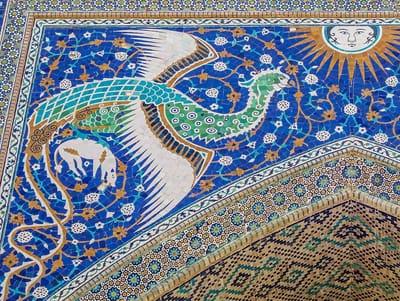
The logo reflects the spirit of the Global Environment Facility Assembly - its commitment to sustainable development, harmony between humanity and nature, renewal, and cooperation. The central symbol is the Simurgh bird, embodying wisdom, rebirth, and the power of unity.
The Simurgh Bird - a mythological creature widely known in Eastern cultures. In Uzbekistan, its image holds a special place. The depiction of the Simurgh adorns the façade of the Nadir Divan-Beghi Madrasah, Lab-i Hauz complex in Bukhara, one of the country’s most iconic landmarks. In the logo, the Simurgh is shown in flight, symbolizing progress, renewal, and hope. Its form is inspired by Uzbek mosaics and ornamental patterns, representing the unity of tradition and modernity.
The Sun - a source of life and light. It symbolizes energy, a sustainable future, and a new dawn for the planet.